

By Agba Emmanuel
In a small community in Nigeria,
ten-year-old Chiamaka lay quietly on her bed, staring at the ceiling. The faint
buzzing sound had already begun; it was a sound she knew too well.
“Mummy, the mosquitoes are back,” she whispered
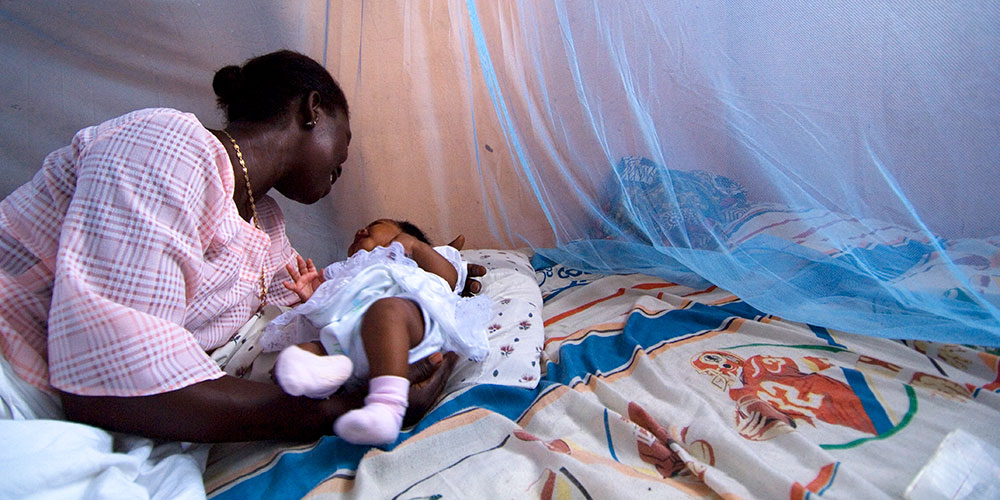
Her mother sighed, adjusting the worn-out net hanging loosely over the bed.
“Just try to sleep, my dear. Tomorrow we will see what to do.”
Chiamaka didn’t always understand why something so small could cause so much
trouble. Just last year, her younger brother had been rushed to the hospital
with a high fever. The doctors said it was malaria. Since then, the word had
lived in their home like an uninvited guest.
The next morning, her school held a small awareness programme for World Malaria
Day. A health worker stood in front of the pupils, holding up a clean
insecticide-treated net.
“Malaria is preventable,” she said firmly. “It starts with the bite of a
mosquito, but it doesn’t have to end in sickness or death. Sleep inside a
treated net. Keep your environment clean. Seek treatment early.”
Chiamaka listened carefully. That evening, she repeated everything she learned
to her mother. Together, they cleared stagnant water around their compound and
properly fixed the mosquito net.
Days passed. Then weeks.
For the first time in a long while, Chiamaka slept peacefully: no buzzing, no
itching, no fear.
One night, as she drifted into sleep, she smiled and whispered,
“Maybe one day… There will be a night without mosquitoes for everyone.”
“Malaria is preventable. Protect your family, use treated nets, keep your
environment clean, and seek early treatment. Together, Nigeria can be
malaria-free.”